Showing posts with label Food and Health. Show all posts

Wednesday, 14 March 2012

Schizophrenia Myths and Facts

Schizophrenia is an illness that affects more than 2 million Americans. And while the condition ranks high in the public's consciousness, our collective understanding of it is low.

There are a number of myths about people with schizophrenia, generally based on the underlying false assumption that the experiences of schizophrenia are the same from person to person.

Ken Duckworth, MD, medical director for the National Alliance on Mental Illness (NAMI), says it's hard to generalize about people with schizophrenia: "It's extremely complicated. No two people with schizophrenia are the same."
 
Schizophrenia: Myths and Realities
 
Myth: People with schizophrenia have "split personalities." This is the perhaps the most pervasive myth about the disease, and it is perpetuated in the news, movies, and television shows.
 
Reality: This is a symptom of a different illness entirely. "Split personalities" or "multiple personalities" are not a symptom of schizophrenia; in fact, these symptoms indicate a different mental illness called Dissociative Identity Disorder.
  • This misperception may originate from the word "schizophrenic" which describes the "split mind" that people with schizophrenia seem to exhibit. "Split mind refers to the mismatch between thought and feeling.
  •  A person may be telling a very sad or distressing story while smiling, or may be afraid of things that are completely mundane," Duckworth says.
  • A person with schizophrenia may react inappropriately to situations, but that does not mean that he or she has multiple personalities.
Myth: People with schizophrenia are dangerous. This is also perpetuated in the media and in movies and television shows.
 
Reality: Some people with schizophrenia may be dangerous, but most are not. Some people with schizophrenia may be prone to violent outbursts, but the vast majority of people with this disorder tend to withdraw from society when they become symptomatic.

Duckworth says, "Again, it's complicated. The truth is that most people are completely benign. But, another truth:

There is a small subset of the population that can be dangerous, usually people who are also using drugs or alcohol. And, around 10 percent kill themselves, which is inherently violent."
  • There is evidence that suggests that psychoses can and do fuel violent behaviors, but the actual numbers don't justify a fear of all people with schizophrenia. People with psychotic symptoms account for only 5 percent of violent crime, and some estimate the number closer to 1 percent.
  • In fact, people living with schizophrenia are in greater danger of being victimized by both violent and non-violent crimes than the general population.
Myth: People with schizophrenia will never get better. The public perception is that people with schizophrenia are doomed.
 
Reality: Many people recover. "People do pretty well over time. Symptoms sometimes lose their intensity," Duckworth says. Most people can find relief from symptoms, and as many as half of people with schizophrenia can experience significant or even complete recovery with treatment.
 
The Media's Role in Perpetuating Schizophrenia Stereotypes
The media are partially responsible for how we perceive schizophrenia — as Duckworth says, "American media has contributed to mass confusion about it.

" In a 2003 survey of American newspapers, Duckworth and his colleagues found that in 28 percent of articles in which the words "schizophrenia" and "schizophrenic" appeared, the words did not refer to the illness, but rather were invoked as metaphor.

 "Schizophrenic" was used to describe the erratic behavior of the weather, the stock market, and even the New England Patriots' football team.

However, newer, more sensitive and complex portrayals of schizophrenia in the media can help us change our understanding of this disease.

 There may be a trend toward moving away from using "schizophrenic" to mean "crazy" or "bad." A 2008 segment of MTV's True Life documentary series called "I Have Schizophrenia" allowed young people with the disorder to share their experiences in their own words.

 And the Oscar-winning film A Beautiful Mind portrayed the life of mathematician John Nash, who lived and worked with schizophrenia. More realistic and nuanced portrayals like these give mental illness advocates reason to be optimistic.

The Single Best Predictor of a Heart Attack

 Each year close to 1.4 million Americans experience a heart attack, and more than 500,000 die from it. Strikingly, according to the Society for Heart Attack Prevention and Eradication, 50 to 70 percent of those who suffered fatal heart attacks were not even aware of their risk.

 Despite recent scientific advances in heart disease prevention, many high-risk patients are overlooked when conventional risk assessment methods such as cholesterol and blood pressure screenings are used alone.

Here’s what you need to know about the No. 1 predictor of a heart attack, the calcium score, plus eight other risk factors to consider.


The Calcium Score

A calcium score, obtained from a noninvasive computed tomography (CT) scan of your heart, is the measure of the amount of calcium in your coronary arteries.

 This number reflects the total amount of atherosclerotic plaque. It’s an indication of how all of your risk factors interact with each other to cause heart disease.

The higher your calcium score for your age, the greater your risk of a heart attack or stroke.

Many preventive cardiologists are recommending that asymptomatic men over age 40 and most postmenopausal women over age 50 have a heart scan to determine their calcium score, unless they have been determined by a doctor to be at very low risk.

A calcium score of zero means you have no calcium deposits and a low risk of heart attack in the next five years.

 A score of 400 or more puts you at high risk of a heart attack within 10 years; a score of 1,000-plus means you have up to a 25 percent chance of having a heart attack within a year without medical treatment.

The significance of a given score also depends on your age. For instance, if you’re 40 and have a score of 50, it indicates you are at high risk.

If an 80-year-old has a score of 50, it indicates low risk because the atherosclerotic process has proceeded very slowly. If your score is high for your age, then your doctor may advise adopting a heart-healthy diet, such as the South Beach Diet, along with other lifestyle changes, and often medications, to improve your risk profile.

 It may be a statin to lower cholesterol and/or a medication to lower your blood pressure.

You can get a CT scan for coronary calcium at most major medical centers, with the cost ranging from $99 to $399. The test takes about 10 minutes and radiation is minimal, about the same as a mammogram. Check with your insurance carrier to see if this test is covered.


Family History of Heart Disease

If one or both of your parents died prematurely of a heart attack, it puts you at greater risk.

Still, there are other factors to consider when it comes to family history.

 If your father smoked, rarely exercised, and ate a diet high in bad carbs and bad fats, his death could have been hastened by any or all of those factors.

You may have been dealt a bad set of genes, but there’s a great deal you can do when it comes to lifestyle to reduce and even eliminate the familial risk.

 Often, medications are also needed to overcome the effect of bad genes.

While, many people know the cardiovascular health of their parents influences their level of risk, they are unaware that the health of their siblings matters, too.

 If you have a brother or sister with cardiovascular disease, your own risk is increased by as much as 100 percent. In fact, if you grew up in the same household as your sibling, your sibling’s medical history is likely to be even more informative than your parents’.

You and your brothers and sisters not only have similar genes, but you also ate similar food and grew up in the same environment.


Smoking and Heart Disease Risk

At any age, smoking at least doubles your risk of heart disease.

 In fact, smoking can trigger a heart attack even if your arteries are nearly perfect.

 Once you light up, smoking narrows your arteries, raises your blood pressure, increases your risk of irregular heartbeat, and makes your blood sticky and more likely to clot.

 Smoking also lowers your HDL (“good”) cholesterol and increases arterial inflammation. This is the perfect recipe for a heart attack.

If you smoke, and particularly if you have other risk factors for heart disease, each time you light a cigarette, you’re playing Russian roulette with your heart.

 A smoker who has high blood pressure and high LDL (“bad”) cholesterol has 14 times the normal risk of having cardiovascular disease.

A woman who takes birth control pills (which increase the risk of blood clots) and who also smokes has a much greater risk of heart disease than does a woman who takes birth control pills but does not smoke.

 In young people with heart attacks, smoking is often the biggest culprit.


Diagnosis of Diabetes or Prediabetes

If you are an American age 40 to 70, the odds are about 40 percent that you’ve been diagnosed with diabetes or prediabetes (also known as metabolic syndrome and typically characterized by increased waist circumference, high blood pressure, high triglycerides, low good HDL cholesterol, and a mildly elevated blood sugar). Diabetes is such a strong risk factor for heart disease that medical professionals define it as a “coronary heart disease risk equivalent.”

 This means that a person with diabetes has the same high risk of a heart attack as someone who has already had one. Up to 70 percent of people in coronary care units have prediabetes or diabetes.

Women, take note: If you have diabetes and have suffered a heart attack, you have an even greater risk of having another heart attack or heart failure than a man who has diabetes and has suffered a heart attack.

Waist Circumference and Your Heart

The circumference of your waist is an indicator of your odds of having a heart attack or stroke.

If you have an apple-shaped body and carry much of your weight around your middle, you are at greater risk for cardiovascular disease than if you have a pear-shaped body and store fat mainly in your buttocks and thighs, or evenly over your entire body.

 Studies have found that waist circumference is an excellent predictor of who will develop diabetes and heart disease.

 A waist circumference of more than 35 inches if you’re a women (and 40 inches if you’re a man) puts you at risk. Get rid of that extra belly fat through diet and exercise.

High Blood Pressure

About one in three American adults has high blood pressure, also called hypertension.

High blood pressure is currently defined as a reading of 140/90 mm Hg or higher, but guidelines regarding what constitutes “high” versus “normal” keep changing.

 Right now, blood pressure anywhere between 120/80 (normal) and 139/89 are labeled prehypertension.

 The American Heart Association estimates that 65 million Americans are in this category.

It also estimates that people with prehypertension may be three times as likely to have a heart attack as those with normal blood pressure.

 Although blood pressure can vary from minute to minute with exercise, stress, sleep, and even changes in posture when at rest and relaxed, it should normally be less than 120/80 mm Hg for both men and women age 20 and older.


Cholesterol and Your Heart

Total cholesterol, when considered alone, is a poor predictor of heart disease and heart attack. Studies show that total cholesterol levels among people who’ve had heart attacks are almost the same as those of people who haven’t, and that roughly half of heart attacks occur in people without high cholesterol.

If you have other risk factors for heart disease, particularly a family history, having your HDL and LDL particle size measured with an advanced blood test will give you a far clearer picture of your heart risk than the conventional lipid panel.

Having a lot of large particles cuts your risk for a heart attack, while having a lot of small ones raises it. You do not want more than 15 percent of your particles to be the small, dense type.


Triglycerides and Your Heart

Triglycerides are the form in which fat is stored in your body’s fat cells. Your triglyceride level is almost always strongly influenced by lifestyle.

 If you have high triglycerides (over 150 mg/dL is borderline high) and low HDL (less than 40 mg/dL if you’re a man and less than 50 mg/dL if you’re a woman), your risk of heart disease is compounded.

To find out if you have this added risk, divide your triglyceride count by your HDL count. Ideally, the resulting number will be 2 or lower.

 For example, if your triglyceride level is 200 and your HDL is 40, divide 200 by 40 and you get 5.

This is much higher than the desirable ratio, and it tells you that you have a heightened risk of a heart attack that will need to be addressed.

Your triglyceride level can also offer insight into your LDL particle size. In general, the higher your triglycerides and the lower your HDL, the smaller and denser your LDL and the greater your risk of heart disease. If your triglycerides are higher than 200 and your HDL is lower than 45, it is likely that you have too many small, dense LDL particles.


A Sedentary Lifestyle and Your Heart

A life with little to no physical activity leads to a number of undesirable body changes.

Your blood pressure goes up, your triglycerides increase, your level of good HDL falls (this is why triglycerides and HDL are often called the “lifestyle” numbers), and you are more likely to gain weight, especially around your midsection.

This is a picture of a heart attack in the making. No wonder the AARP recently called sitting the new smoking.

The sad news is that two-thirds of American adults report that they are physically inactive — that is, they are sedentary most of the time. It’s time to get up and get moving.

Monday, 12 March 2012

Weight Loss Success: Kim Konkel Stopped Drinking Soda And Lost 98 Pounds


How I Gained It: I have always been big. I just read an article that said if you are over 8 pounds, 7 ounces at birth you are considered a large baby. Well, I was 8 pounds, 9 ounces, so right off the bat I was bigger than most kids.

While I was growing up I never really exercised. I was diagnosed with severe asthma that made it hard for me to do much of anything for any length of time. I would play outside and ride bikes and go swimming, but that was about it. And that was only during the summer. Since we live in Wisconsin, playing outside in winter is possible, but only when it's not super-cold, and usually that is just to go sledding.

When I got pregnant with my daughter, I developed severe preeclampsia and got up to 263 pounds. My blood pressure skyrocketed and my doctor put me on medication.

Breaking Point: I was sitting at my computer one day in March of 2011, and I read an article written by Dr. Oz. In the article he was talking about how to lose weight and he said cutting out just 100 calories a day could result in dropping 10 pounds in a year. I had been diagnosed with cervical cancer in December 2010, and I figured the healthier my body was the more likely I was to beat the cancer. I was drinking at least six sodas per day, so that really got me thinking. I did the math and realized by stopping drinking soda I could easily cut out over 700 calories a day, just that easily.

How I Lost It: I started drinking sparkling water instead of soda. If it wasn't for that stuff I would have never been able to give it up. It tastes just like soda, but without any calories, sugar or sodium. I keep a huge supply of it on hand at all times! In the first month I dropped over 12 pounds, by just not drinking soda.
Then, I decided to actually try to start eating healthy. This is hard for me, especially at night. I suffer from severe insomnia. I am awake every two hours, like clockwork. Before, I would get bored or a little hungry and eat a whole TV dinner. I have since discovered I am a huge fan of guacamole! Now, at night when I wake up, I have some guacamole and some tortilla chips and that satisfies me for the next four times I wake up, so I don't eat anything else.

 I eventually thought about trying to lose more weight. My first goal was to get down to 200 pounds. That happened within a few months, so then I decided to get down to 184. That happened shortly thereafter. I just kept adjusting my goal weight as I would reach the next one.

I stepped on the scale today at 138. I am beyond thrilled. To get to this point I have been extremely disciplined about eating. I went from eating any and everything I wanted to knowing how much fat and how many carbs are in basically every piece of food on the face of the earth! I read tons of articles about weight loss and did a lot of research to educate myself so I would know off-hand what I should eat and what I should avoid.

I discovered that salad dressing doesn't have to be creamy to be good. I love fat-free Italian dressing. Put a touch of parmesan on the salad to give it some protein, and it tastes just like a Caesar salad! I found that in order for a person to be successful in losing weight, he or she needs to find foods that are healthy and tasty. You can't follow a diet if you don't like the food, it won't work.

You have to figure out what will work for you. For me, it's all about tricking my brain into thinking I am eating unhealthy food, when I am really not. Take green beans: I flavor them with I Can't Believe It's Not Butter spray. That way, I get the taste of butter with less fat.

I'm not saying that I don't ever eat some less healthy food every now and then, but it's just that -- occasionally, and just a little bit. I always eat a salad or tons of green beans before I eat anything else, that way my body is getting the good stuff first.

After a few months of getting my diet under control, I decided that if I included some exercise into my daily routine I could lose even more weight, and more quickly, too. I started walking. I could only go very short distances, but every week I would go a little farther until I eventually was walking between three and six miles a day. I did this from June to October, and lost a lot of weight doing so, but eventually it wasn't enough anymore.

That is when I started doing aerobics, and lost 38 pounds from November to December. The last two pounds I just lost recently, after being at the same weight since December. I am so happy that I can finally go into any store and find clothes that actually fit me. I am still getting used to that.

I went to the doctor recently, and he hadn't seen me since last February. He walked in and said, "Oh my gosh! Did you have your stomach stapled or lap band surgery?" I told him neither, I just started eating healthy and working out, and the weight started to fall off. My doctor said that I can finally come off of my blood pressure medicine if I want to. He and I went back through my chart and discovered that I weigh less now than I did when I was 10 years old! Now that says a lot.

I feel so much better than I ever have in my entire life, like a new person. Now I am finally able to run and play with my 3-year-old daughter. Since I have been eating healthier, my daughter has lost weight, too! I used to be able to hardly make it up a flight of stairs; now I run up the stairs with ease. I have never felt better. I have more energy then I have ever had in my life and I am so happy.

Friday, 9 March 2012

It's Not Easy Breathing Green

THURSDAY, March 8, 2012 — A new study brings discouraging news for even the most label-conscious consumers. Many everyday household products, from shampoos to laundry detergents, contain hormone disruptors and chemicals associated with asthma. Some of which aren’t even listed on the labels.

The study, funded by the Silent Spring Institute and published in the peer-reviewed journal Environmental Health Perspectives, looked at conventional household products in addition to ones marketed as safer “alternatives.”

Compounds associated with asthma for which the researchers tested included phthalates, fragrances, glycol ethers, and ethanolamines. But as this study revealed, you might not always find these compounds listed on the labels.

Researchers found potentially harmful chemicals in all 42 conventional product samples and in 32 of the 43 alternative product samples. They recorded the highest concentrations in vinyl products like pillow protectors and shower curtains, fragranced products like air fresheners and dryer sheets, and sunscreen.

The substantial amounts of the phthalate DHP found in pillow protectors is especially worrisome for people with asthma, says study author Robin E. Dodson, ScD, a research scientist at Silent Spring Institute.

“Asthmatics may try to use pillow protectors, including vinyl pillow protectors, to try to reduce their exposure to dust mites,” she says in a video released by Silent Spring Institute about the study.

“Unfortunately these phthalates, or DHP, has also been linked to respiratory symptoms.”

This isn’t the first time household products have been linked to respiratory problems. Recent research found that air fresheners, scented candles, and laundry protects can worsen asthma symptoms and even trigger asthma attacks.

Earlier research from Silent Spring Institute and the Centers for Disease Control have found many of this study’s “target chemicals” in people’s homes and bodies, according to Silent Spring Institute’s release about the study.

It looks like they may have figured out how those chemicals got there.

“This study adds to the evidence that safety testing for consumer product chemicals is inadequate and needs to be modernized, and that consumers need better information about exactly what is in the products they use every day,” says study author Julia Brody, PhD, executive director of Silent Spring Institute.

Don’t give up on product labels just yet. Keep on reading. And until they get as thorough as these experts recommend, do what you can to limit your exposure to products that seem to trigger your asthma symptoms.
First of order of business: Swap your vinyl pillow protector for a cotton one and see what happens.

Sunday, 4 March 2012

7 Healthy Dessert-for-Breakfast Recipes

When scientists recently announced that the key to long-term weight loss might be having a little dessert as part of your healthy, balanced breakfast, sweet-toothed dieters around the world rejoiced.

The researchers, whose study was published in the journal Steroids, found that if you’re cutting calories and sugar, the best time to indulge in something sweet is in the morning because that’s when your metabolism is at its peak.

The authors noted that it’s also important to include healthy carbohydratesand protein as part of your morning meal, and stick to a low-calorie diet.

Inspired by this new data, we turned to vegan food blogger and chocoholic Katie Higgins of ChocolateCoveredKatie.com for her favorite dessert-inspired breakfast recipes.

(And since everything Katie does is dessert-inspired, it was hard to narrow it down!) Read on for delectable vegan recipes that taste sinful, but all still clock in at less than 350 calories.

Pumpkin Bread in a Bowl

This breakfast is only 180 calories, but it also packs 8 grams of fiber and 3 grams of protein.

To make pumpkin bread in a bowl, just blend pumpkin puree, nondairy milk, cereal, and a few simple seasonings, and let it sit for about 10 minutes.

When it’s ready, it will have the consistency of thick pudding.

 Top with nuts for an added boost of nutrients, fiber, and healthy monounsaturated fat.
Get the full Pumpkin Pumpkin Bread in a Bowl recipe.


Snickerdoodle Pancakes

Snickerdoodle cookies take on a new form in these spelt-flour pancakes that have only 223 calories in the whole recipe, which produces six thick pancakes.

 Sprinkle your flapjacks with cinnamon and sugar, and it will really taste like you’re eating a homemade cookie for breakfast — except this version has 7 grams of fiber and 8 grams of protein per batch.
Get the full Snickerdoodle Pancakes recipe.


Oatmeal-Raisin Cookie Larabars

Lower in calories than store-bought Larabars and completely added-sugar-free, these gluten-free bars are the perfect sweet breakfast on the run. Just combine raisins, quick oats, walnuts, vanilla, and a pinch of salt in a food processor for an easy 180-calorie treat.
Get the full Oatmeal-Raisin Larabars recipe.


Peanut Butter Breakfast Pudding

Blend peanut butter, banana, cooked oatmeal, and milk for a creamy pudding-like breakfast that contains 11 grams of protein and just 330 calories. Add some sliced banana on top (and a few chocolate chips if you wish) for a meal that will definitely keep you full until lunch.
Get the full Peanut Butter Breakfast Pudding recipe.


Cookie-Dough Oatmeal Cake

This cookie-inspired single-serving baked oatmeal has only 180 calories if you skip the optional nut butter.

The cookie-dough taste comes from a little sweetener of your choice (maple syrup or stevia is suggested), unsweetened applesauce, and a small handful of chocolate chips.

 Each recipe makes one oatmeal cake, or you can split it into two 1/2-cup ramekins for two mini treats.
Get the full Cookie Dough Oatmeal Cake recipe.


Five-Minute Chocolate Oatmeal

This dish might look like a chocolate overload, but if you skip the chocolate chips, it has only 1 1/2 tablespoons of unsweetened cocoa powder (a mere 18 calories), so it’s not overpoweringly sweet. Combine the cocoa powder, regular rolled oats, nondairy milk, vanilla, and banana and cook for a 300-calorie breakfast that’s full of fiber from the banana and whole grains from the oats. In you crave a little more sweetness, add one packet of zero-calorie stevia sweetener.
Get the full Five-Minute Chocolate Oatmeal recipe.


Tuesday, 21 February 2012

Ryan Marquiss, Pennsylvania Boy, Survives With Heart Outside Body


A Pennsylvania boy has survived after being born with a condition that caused half of his heart to be formed outside his body.

Ryan Marquiss' heart was protruding out of his chest cavity and covered only by a thin membrane, a condition known as ectopia cordis, the Daily Mail reports.


Out of every million infants born with the condition, only five to eight survive.

The boy's survival is even more astonishing given he also suffered from hypoplastic right heart syndrome, a condition where only the left side of the heart properly develops.

Doctors discovered the child's heart defects during the first 12 weeks of pregnancy and warned parents Leighann and Henry Marquiss that the baby's chance of survival was slim.

Despite the odds, the pair refused to terminate the pregnancy, according to Fox News.
After undergoing dozens of operations, Ryan is now celebrating his 3rd birthday.

 Doctors had to place a shunt so that half a heart could do the job of a full heart and place tissue expanders under his skin so that they could cover the exposed heart.

Doctors believe he's the only child to survive with this deadly combination of heart conditions.

"The doctors told us that no baby with Ryan’s combination of defects had ever survived, so the fact that he is here with us today, is just amazing. He really has astounded everyone," Leighann Marquiss told the Daily Mail.
In 2009, ABC News reported on a similar story of Christopher Wall, a 33-year-old with ectopia cordis who also defied the odds and managed to live a "normal," active life despite his condition.

Investment Banking May Be Bad For You, Study Finds -- And 7 Other Jobs Linked With Health Risks

According to a recent study from the University of Southern California, Wall Street life may not be as great as it seems -- at least, when it comes to health

The study, to be published in the journal Administrative Science Quarterly, looked at two dozen young investment bankers who worked between 80 to 120 hours a week (going to work around 6 a.m. and leaving work around midnight, according to the Wall Street Journal).

The researchers found that as time went on they had increased risks of health problems like alcoholism, arthritis and Crohn's disease.

Alden Cass, a clinical psychologist based in New York, told the Wall Street Journal that bankers have an increased risk of mental health issues and burnout because their jobs can be so volatile.

Just last year, a study conducted by Concordia University researchers in the journal BMC Public Health showed that stress in the workplace is only growing. Up to 26 percent of people in high-stress jobs have seen a health professional regarding a stress-related condition, according to the study.

Another study, published last year in the journal Occupational and Environmental Medicine, suggested that having a poorly paid and supported job is just as miserable as having no job at all.

It's understandable that the bills have to be paid somehow. So what's there to do if your job is just plain bumming you out -- mentally and/or physically?
WebMD recommends making sure to have some free time in your weekly schedule, whether it's spent with friends or your significant other, as well as time to exercise.

"Research shows exercise can help you to be more alert," Robert Brooks, PhD, co-author of "The Power of Resilience: Achieving Balance, Confidence, and Personal Strength in Your Life," told WebMD.

 "And I've noticed that when I don't exercise because I'm trying to squeeze in another half hour of writing, I don't feel as alert."

And for those of us who are desk jockeys, it's not hard to be reminded that we sit and sit and sit for eight or more hours a day -- which many studies have shown is linked with an increased risk of diabetes, cancer and even death.

To stay fit at your desk, there are a number of healthy choices you can make, like taking walking meetings instead of sitting meetings, stretching regularly and taking the stairs to the upper floor instead of the elevator.

Of course, every job comes with its health risks. Here's a round-up of seven kinds of jobs that have been linked to certain physical and mental health issues.


"Standing" Jobs And Arthritis
 
 
Everyday Health reported that foot arthritis can be a health risk for people who have to stand a lot for work -- including teachers -- because they are on their feet all day.

Therefore, people who have to stand a lot for their jobs should choose to regularly wear comfortable shoes and not high heels, according to Everyday Health, because wearing high heels can put stress on the joints in your feet.

In fact, standing too long -- as well as other factors like being overweight or having higher or flat arches -- are linked with an increased risk of many kinds of arthritis, according to Arthritis Today 
 
Soldiers And Stress.
 
The enlisted solider topped this year's CareerCast.com ranking of the most stressful jobs. The ranking took into account factors like physical demands, risks to your life or to others' lives, competitiveness, deadlines and meeting with the public.

Firefighters ranked second on the 2012 list, and airline pilots ranked third.
 Construction Work And Lung Problems 


Health.com reported that inhaled dust from construction could put workers at risk for lung problems like cancer, asbestosis and mesothelioma.

In fact, occupational lung disease is the No. 1 cause of work-related illness, according to Oregon State University.

Symptoms include chest tightness, coughing, shortness of breath and breathing abnormally, according to OSU, and the disease can be caused by either by long-term exposure to the hazard, or by a particularly bad one-time exposure to the hazard. 
 
 Overtime Work And Depression
 
Working overtime -- 11 or more hours a day -- is linked with a more than doubled risk of a major depressive episode, compared with people who work the more standard seven to eight hours a day, according to a recent PLoS ONE study.

Researchers from the Finnish Institute of Occupational Health and University College London looked at health and work data from 2,000 middle-aged Brits over a nearly 6-year period, and saw that there was a definite link between overtime hours worked and depression risk.


Dancers And Divorce
 
According to 2000 Census data analyzed in a Radford University study, dancers have the highest rate of divorce, at 43 percent, and bartenders have the second highest rate, at 38 percent, Men's Health reported.

Other surprising jobs also made the top list, with roofers having a 27 percent divorce rate and sailors having a 26 percent divorce rate, according to Men's Health.
 

Thursday, 16 February 2012

How to Have a Healthy Smile at Every Age

Smiles can be very moving and emotional — whether it’s a baby beaming at you, a loved one expressing joy, or even a stranger showing you some kindness.

 A great smile can also elicit a whole range of responses from laughter to empathy — and smiling may even make you look younger, according to a recent study conducted at the Max Planck Institute in Germany. But like the rest of our bodies, our smiles change as we age.

“In very general terms, just living life (and getting older) is going to affect your smile,” says Tom Connelly, DDS, New York City-based cosmetic dentist and weekly contributor to the Huffington Post.

Your best bet for maintaining a beautiful smile from birth through your golden years is to practice good oral hygiene, go for regular dental checkups and cleanings, eat a healthy diet, and take care of any dental concerns as they arise.

Learn more about a lifetime of smiles and how to treat your teeth at every age.


Wednesday, 15 February 2012

Natural Love Drugs


Falling in love is a chemical symphony the body has been wired to play since evolutionary times.

When you're in love, all you care about is your beloved — seeing them, smelling them, planning your life with them and, of course, having incredible sex with them, which helps ensure the propagation of our species.

In each stage of love, from the early rush of new love and the heart pumping excitement to the deeper bonding and security of a long term committed relationship, different chemicals play a prominent role in each different phase. Here’s an explanation of the chemistry of attraction.


 Dopamine and PEA (Phenylethylamine)
Brain chemicals PEA and dopamine are the body's natural version of amphetamines, and they practically gush out during new love. Famed biological anthropologist Helen Fisher asked newly “love struck” couples to have their brains examined and discovered they have high levels of the neurotransmitter dopamine. This chemical stimulates “desire and reward: by triggering an intense rush of pleasure. It has the same effect on the brain as taking cocaine! Fisher suggests “couples often show the signs of surging dopamine: increased energy, less need for sleep or food, focused attention and exquisite delight in smallest details of this novel relationship.”


 Oxytocin (The Cuddle Chemical)
When men and women reach orgasm, our brains are flooded with feel-good endorphins and the brain chemical oxytocin. Oxytocin is otherwise known as the “cuddle hormone” because it creates feelings of intimacy and bonding. Men might be less impacted by oxytocin because of the higher levels of testosterone in the brains, which explains why they don’t crave a good snuggle after sex. Hence, while the female brain is telling her to curl up with her partner, he might just be thinking how tiredorhungr is!
 Vasopressin
Vasopressin is another important hormone in the long-term commitment stage and is released after sex. Vasopressin (also called anti-diuretic hormone) works with your kidneys to control thirst. Its potential role in long-term relationships was discovered when scientists looked at the prairie vole. Prairie voles indulge in far more sex than is strictly necessary for the purposes of reproduction. They also — like humans — form fairly stable pair-bonds. When male prairie voles were given a drug that suppresses the effect of vasopressin, the bond with their partner deteriorated immediately as they lost their devotion and failed to protect their partner from new suitors.

 Serotonin
As a neurotransmitter, serotonin helps to relay messages from one area of the brain to another. Because of the widespread distribution of its cells, it is believed to influence a variety of psychological and other body functions. This includes brain cells related to mood and sexual desire. Low serotonin levels are cited as a cause of depression and low sexual desire. There is also some evidence that female hormones may also interact with serotonin to cause some symptoms to occur or worsen during the premenstrual period, during the postpartum period, or around the time of menopause. Not coincidentally, these are all periods when sex hormones are in flux. Men, on the other hand, generally experience a steady level of sex hormones until middle age, when the decline is gradual.


Adrenaline

The initial stage of falling for someone activates your stress response, increasing your blood levels of adrenaline and cortisol. When you unexpectedly bump into your new love, you might start to sweat, your heart races or your mouth goes dry. These are all charming effects of an adrenaline rush.


Norepinephrine

Norepinephrine functions both as a hormone and a neurotransmitter. As a stress hormone, norepinephrine affects parts of the brain, such as the amygdala, where attention and responses are controlled. Along with epinephrine, norepinephrine also causes the fight-or-flight response, directly increasing heart rate and triggering the drive to want sex.

Multiple Sclerosis: Helping Loved Ones Cope With Depression


Multiple sclerosis affects more than just your physical abilities. It can also take a toll on your emotional health. In fact, research shows that half of all people living with multiple sclerosis struggle with clinical depression at some point during the course of their disease. It may be triggered by stress or grief, or it may actually be a result of brain atrophy caused by the MS itself.

The good news is that people who have multiple sclerosis and depression can reduce their depressive symptoms over time if they adopt an active coping style. And learning how to cope with depression can make living with MS significantly easier.

Dealing with Depression: Adopt a Proactive Approach
"Active coping" initiated by the caregiver can be helpful for someone living with MS in a variety of ways — it means taking steps to change sources of stress or thinking about stressors in a new way.

This includes taking such actions as seeking out support, developing a plan of action to handle problems, or picking up the phone to call a nurse with your questions instead of spending your time worrying about them.

It is also important to keep in mind that occasional feelings of sadness are normal for both people living with MS and their families, says Dorothy Northrop, MSW, vice president of research and clinical operations for the National Multiple Sclerosis Society.

 "The losses you face are going to make you sad, but I think when people begin to cross a line where these feeling are impeding their functioning, if it starts to go into some of the signs of clinical depression, hopefully caregivers or someone around them will know that intervention is needed," Northrop says. People who are depressed can find help through counseling and from antidepressants, she says. Psychotherapy, or "talk therapy," is another option that can be very beneficial for people living with MS and suffering from depression.
 
Dealing with Depression: Concentrate on the Positive and Reach Out
Jonathon and Mimi Mosher have been living with MS since Mimi was diagnosed 25 years ago, one year before they married. They have both developed coping styles that help fight off sadness and depression. "I think there are times when we feel cheated.

I see other couples just jumping in a car and going to the mountains or the beach … the limitations the disease places on you can be overwhelming if you start thinking about them all at once," says Jonathon, who tries to make time every day for things he likes to do.

 He recommends that couples make a list of things they need and want to do each day or week — and then


make sure that they do the items on the list. In his case, simply taking a nap or going for an outdoor hike can help stave off black moods, he says.

Mimi Mosher has a take-charge attitude that keeps her positive. Talking to friends and family or being able to get something accomplished that is rewarding to her personally can improve her mood, she says.

 She also finds it helpful to take care of others when she's able. "Generally it has helped me to not focus too much on myself — to help somebody else really gets me out of my situation," she says. "Listening to somebody else's problems or to lend somebody else a hand, that kind of gets me out of my own head."
 
Signs of Depression in People Living With MS
People with multiple sclerosis who are feeling depressed might say they're feeling "sad," "glum," "low," "worthless," "unwanted," or "like a failure." These are psychological signs of a depressive mood and are not unusual in people living with MS.

Sometimes symptoms of depression are physical. People might experience exhaustion, difficulty staying asleep, and changes in appetite.

 At the extreme, depressed people living with MS might think about or even plan suicide. Some medications given to treat multiple sclerosis can make these feelings worse. Studies have indicated that the interferon class of drugs can increase depressed feelings and suicidal thoughts among some people with multiple sclerosis.
 
More Information for Depressed People Living With MS 
Take advantage of online resources to find more on depression, treatments for it, and other people who are also battling depression. The Depression Center at EverydayHealth.com offers tips, information, and support.

Monday, 13 February 2012

Causes of Back Pain

The common symptoms of back pain can be related to an injury, an underlying problem, or lifestyle issues.

The typical image that often springs to mind when one thinks about back pain is of a person lifting a heavy object and then wincing in agony. It's true that trauma caused by heavy lifting, injury, or accident can all lead to back pain, but there are also many underlying problems and health conditions that can cause pain as well.
   
Typical Causes of Back Pain
The kind of back pain experienced by most people typically falls into one of the following areas:
  • Mechanical back pain. A mechanical cause of back pain means that the problem is in the mechanics of the back: the bones, ligaments, disks, joints, nerves, or meninges (the outer membranes that surround the spinal cord). This is the most common type of back pain.
  • Sprains or strains. A type of mechanical back injury, sprained/strained muscles or tendons (tough, fibrous tissue that connects muscle and bone) account for 85 percent of lower back pain cases in the U.S.
  • Sciatica. The symptoms of sciatica are distinctive: Sharp, shooting pains originating in the back that travels down through the buttocks into the legs. Sciatica usually affects only one side of the body.
Underlying Conditions That May Cause Back Pain
While a sudden jolt or other form of stress to the back can result in pain, there may be an underlying cause that weakens your back, making it more vulnerable to trauma.
Often, however, there is no single explanation for back pain. According to the American Academy of Orthopedic Surgeons, common causes of back pain include:
  • Aging of the spine, ligaments, and discs. As your spine ages, the discs can protrude or even collapse, which can cause pain and can also put pressure on the nerves that run through the spine. According to Andrew Sherman, MD, head of medical rehabilitation at the Spine Institute at the University of Miami Miller School of Medicine, spinal problems are the most common reason why middle-aged people develop pain and even disabilit
  • Arthritis. The lower back is one of the areas most commonly affected by arthritis, which can lead to spinal stenosis, or a narrowing of the space around the spinal cord.
  • A poorly aligned spine. Some people have back pain because their spine curves in an exaggerated or irregular way, or even curves to the side, a condition known as scoliosis.
  • Osteoporosis. If your bones are weak and brittle from osteoporosis, a condition in which the bones become fragile and brittle due to loss of minerals, the vertebrae of the spine are more vulnerable to fractures.
  • Being overweight or obese. Excess weight can put a constant strain on your back, resulting in pain.
Back Pain: Chronic or Acute?
When your back pain comes on fast and strong, this is known to doctors as acute back pain. This is most commonly caused by an injury or by an event that jars the structure of the back.
While most acute back pain symptoms typically begin to improve after a few days, for some people the pain continues beyond the initial phase and becomes chronic.

Other Conditions That Can Lead to Back Pain
There are also other conditions that have nothing to do with the back but can still cause lower back pain, including bladder infections, kidney stones and other kidney diseases, ovarian cysts and endometriosis, and twisted testicles.

In rare cases, back pain can be caused by more serious ailments. If a tumor or infection is present in the spine, it can cause the symptom of back pain. Usually, you would also have other symptoms, such as weight loss with cancer or a fever with infection.

Also linked to back pain is cauda equina syndrome, a serious neurologic condition that results from acute loss of function of the bundle of nerve roots of the spinal canal, known as the cauda equina. It causes weakness in the legs, numbness in the groin area, and loss of bladder or bowel control.

Most back pain cases aren't due to a serious medical issue. But if your aching back lasts more than a few days, seeing your doctor is the best way to get relief.


Sunday, 12 February 2012

What Happens In Your Body When You Eat Ramen And Gatorade

By Briana Rognlin for Blisstree.com

Most of the time, we hear about avoiding processed foods because they'll make us fat. But a new video of what happens in your body when you eat Top Ramen and Gatorade vs. homemade noodles and drinks gives us a whole new reason to avoid it: We can't even digest it properly.

More from Blisstree.com:
These Preservatives Are Trying To Kill You
Why Vaseline Is Bad For You, And What To Use Instead
6 Things You Should Never Buy (And Their Healthy Alternatives)

TEDxManhattan 2011 Fellow Stefani Bardin's video, below, shows what happens in your body when you eat processed foods vs. homemade versions of similar foods, using a tiny "M2A" (that stands for Mouth to Anus, and it's trademarked, mind you) LED/camera capsule. The project looks at two subjects eating two similar meals: one composed of processed foods (gatorade, ramen, and gummi bears); the other of homemade versions (hibiscus drink, homemade broth with noodles and gummi bears made of juice). What happens to the foods is drastically different; possibly because, as Bardin puts it, Top Ramen is made to survive armageddon, while homemade noodles are made to be eaten.

Warning: It's best to watch this video after you've eaten your breakfast.

By Briana Rognlin for Blisstree.com Most of the time, we hear about avoiding processed foods because they'll make us fat. But a new video of what happens in your body when you eat Top Ramen and Gatorade vs. homemade noodles and drinks gives us a whole new reason to avoid it: We can't even digest it properly.

More from Blisstree.com: These Preservatives Are Trying To Kill You Why Vaseline Is Bad For You, And What To Use Instead 6 Things You Should Never Buy (And Their Healthy Alternatives) TEDxManhattan 2011 Fellow Stefani Bardin's video, below, shows what happens in your body when you eat processed foods vs. homemade versions of similar foods, using a tiny "M2A" (that stands for Mouth to Anus, and it's trademarked, mind you) LED/camera capsule.

The project looks at two subjects eating two similar meals: one composed of processed foods (gatorade, ramen, and gummi bears); the other of homemade versions (hibiscus drink, homemade broth with noodles and gummi bears made of juice). What happens to the foods is drastically different; possibly because, as Bardin puts it, Top Ramen is made to survive armageddon, while homemade noodles are made to be eaten. 

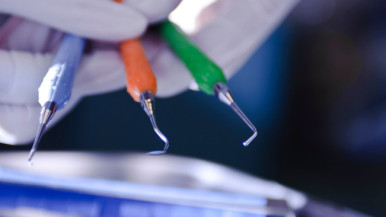
Dental Phobia: 7 Common Fears, And How To Conquer Them

The loud whirr of the dental tools.

Your dentist's eyes, peeking out over the sterile (some may say ominous-looking) green mask.
Leaning back in the seat, pinned down by the heavy protective bib that protects your body from radiation during dental X-rays.

Scraping with sharp tools to chip away at the stains on your teeth. Then the dentists' toothbrush, followed by suctioning and sprays of water from the mini water jet.

It sounds like a typical visit to the dentist. But for many people with some degree of dental phobia -- technically called dentophobia or odontophobia -- it's the worst experience in the world.

People with dental phobias have a reflex to feel a fight-or-flight response when they visit the dentist, explained New York City-based dentist Dr. Louis Siegelman, D.D.S., who works in private practice and also is a clinical assistant professor in pediatric dentistry at New York University.
"It's life or death, it's fight for your life or run for your life," he told HuffPost. "That's really what the core of this mechanism is."
Siegelman's dental practice isn't typical -- he specializes in people who have extreme dental phobias. He said the phobias can be a result of a multitude of things, including having a previous traumatic experience at the dentist (maybe a previous anesthetization wasn't done properly), feeling extreme discomfort while having a dental procedure done (maybe the person has trouble breathing while having work done), and having an accident where maybe a person needed stitches in or near the mouth, imprinting that scary moment in memory.

Siegelman said he sees patients who haven't been to the dentist in years because they're so afraid of coming in. For some people, this just reinforces their negative view of the dentist -- because they hadn't been in for their regular checkups, their teeth are in bad shape, just making the dental work they have to have done more extensive.

Even though Siegelman's patients are on the more extreme end of dental phobia -- "I've met people out in the hallway hugging the wall, I've had people I've had to meet outside the office because they couldn't bring themselves in," he said -- a lot of tips and tricks he uses with his patients can also apply to people who are more mildly anxious about the dentist.

About five percent of people have severe dental fear, according to researchers from the Sahlgrenska Academy at the University of Gothenburg in Sweden. Those researchers found five strategies that people use to get over their fear of the dentist; their findings are published in the journal Acta Odontologica Scandinavica.

Their study showed that common coping practices include distracting yourself (counting to yourself or playing mental games so that you think about something else), distancing (telling yourself the pain feels like something else), prayer (praying that the dental treatment will end soon), self-efficacy (telling yourself to be strong), and optimism (telling yourself that everything will be OK after the dental treatment).

Of course, the best way to avoid having to have scary procedures done at the dentist is to practice prevention, Siegelman said. If you know that you're someone who's afraid of the dentist, it would best serve you to "be hyper-vigilant about taking care of your teeth to make sure there's less for them [the dentists] to do," he said.

Here are some common things that people are afraid of during a dental visit, and what you and the dentist can do to help soothe those fears:

Cycle for Survival: Jennifer Goodman Linn's Legacy of Hope, Love, and Fearless Living

Five years ago, after Jennifer Goodman Linn was diagnosed with sarcoma, she and her husband Dave founded Cycle for Survival, an indoor spinning event to raise money for rare cancers. Now, he's finishing what they started in her memory.

David Linn needed a place to live. But not just any place. He had his eye on one place in particular — an apartment that was occupied at the time by a fellow business school student named Jennifer Goodman.
“Jen was a year ahead of me at Harvard,” Dave explains of the woman who eventually became his wife.

“There’s a long, funny story that my friends told at our rehearsal dinner, but the short version is that Jen had one of the best apartments on campus, and my roommate and I wanted it. Our first date was me trying to convince her that when she finished school that year and moved out, she should transfer her apartment to me.”

It must have been some date. Dave not only got the apartment; he got the woman who lived in it, too. “Jen always said that I didn’t read the fine print, which was that I was stuck with her,” he jokes, laughing. Then, affectionately: “It was a great deal.”

Life, Interrupted

Jen and Dave were married in September 2003. By the following fall, they had settled nicely into a life in New York and, like many newlywed couples, were thinking about expanding their family. But instead of getting pregnant, Jen, then 33, got sick.

It started with a stomach cramp that just wouldn’t quit. Then fevers, night sweats, bloating. Doctors ran test after test to figure out what was wrong with her. And they did, finally.

“Did you know you have a tumor the size of a football in your abdomen?” they asked.
She didn’t, of course. That’s not the kind of thing you forget to mention to your physician.
In December, she underwent surgery to have the tumor removed. “We were hoping it was benign,” Dave says, “but unfortunately, that wasn’t the case.”

The official diagnosis was metastatic malignant fibrous histiocytoma (MFH), one of more than 50 subtypes of a rare cancer called sarcoma, which neither Jen nor Dave had ever heard of, and which affects only 12,000 people annually.

“Sarcoma is a cancer of connective tissue — muscle, fat, bone — the parts of the body that hold us together,” explains Gary Schwartz, MD, chief of the Melanoma and Sarcoma Service at Memorial Sloan-Kettering Cancer Center, where Jen was treated. “It’s an orphan cancer, meaning that if you count all patients alive with the disease, there are fewer than 200,000 cases a year.”

Not surprisingly, orphan cancers get less funding for research than more common cancers like those of the breast, lung, and colon. As a result, treatment options may be limited, especially in advanced cases like Jen’s.

Surgery can be curative in some lucky patients, Dr. Schwartz says, but the outcome depends on a lot of different factors — how big the tumor is, where it is, what kind it is, and so on. Jen’s cancer was too far along by the time doctors found it; she needed both surgery and chemotherapy, and even then, there was a good chance that she would never be completely well.

“The types of chemo we have have been shown to control cancer, but none are curative,” Schwartz explains. And once the body develops a resistance to a certain type, you have to move on to another. Ultimately, you’ll run out of options.

The deck was stacked. Jen was determined to fight, but it wasn’t going to be easy. Dave says he realized the seriousness of the situation early on, when Jen asked if they would be able to start a family while she was in treatment — to which the doctor replied, “I wouldn’t do that at this point unless Dave is prepared to be a single father.” The room fell silent.

Spinning for a Cure

Jen started her first rounds of chemo in August 2005. Over the next six years, she endured more than 20 others, plus five invasive surgeries to have additional tumors removed. And “99 percent of the time, she was smiling and living her life in a much fuller way than most of us who are completely healthy,” Dave says.

In 2007, as she was recovering from treatment, Jen decided that she wanted to do something to give a little bit back to everyone who had taken such good care of her up to that point — in particular, the doctors and nurses at Memorial Sloan-Kettering, and the trainers and teachers at her local Equinox gym, where she was a regular in the spinning class.

“Jen always said that she credited Memorial Sloan-Kettering with her physical health and keeping her alive, and she credited the Equinox fitness club with her emotional well-being,” Dave explains, adding that she kept up with her workouts even during treatment. “Some days if she was feeling tired, she’d take it easy and not cycle as intensely, but other days, she’d be pedaling harder than anyone around her.”

Jen’s love of exercise gave the couple an idea: a relay-style spinning class to raise money for rare cancer research. They called it “Cycle for Survival.”

The Ride of a Lifetime

The first Cycle event took place in 2007. “It was very much a grassroots effort, mainly with friends and family,” Dave says. “We had 50 teams — about 230 cyclers total — and we did it just at our local Equinox gym.” The idea, he explains, was to get people to sign up to ride a bike and then collect pledges for their efforts.

“Our goal was to raise $10,000,” he says, laughing. “We thought that was going to be hard.” It wasn’t. In fact, it was way too easy. They ended up with more than $250,000.
Inspired, the couple decided to expand the event in 2008. They held a morning session and an afternoon session, so they had roughly double the number of participants — and raised more than double the amount of money.

“At that point, as we were getting close to a million dollars, we realized we were onto something,” Dave recalls. “So we went to Memorial Sloan-Kettering and said, ‘Look at what we’ve done. There’s huge potential for this.’”

Hospital officials agreed, as did the executive team for Equinox, which signed on as the founding sponsor.
“That’s when we tried to broaden what we wanted to accomplish,” Dave says. “At the time, there were a number of great causes and events focused around breast cancer and the other most common types of cancer, but there wasn’t anything on a national scale that focused on so-called rare cancers like the kind that Jen had.” Cycle for Survival, they hoped, would fill that hole.

It did — and then some. Cycle now holds official events in New York, Long Island, Chicago, Washington D.C., San Francisco, and Los Angeles, as well as volunteer-created “satellite events” in 50 or 60 cities around the globe, including Hong Kong and London. To date, the events have raised more than $14 million, 100 percent of which has gone to Memorial Sloan-Kettering for research into new treatments for rare cancers.

“It’s been a huge success for our program here,” Dr. Schwartz says. “We have clinical trials that are the direct result of Cycle for Survival.”
Sadly, Jen will never get to benefit from those trials. Last July, after seven years of fighting, she lost her battle with sarcoma, leaving Dave to carry on the Cycle legacy without her — a responsibility he’s more than proud to shoulder.

“No matter what she was going through, Jen was always focused on helping out other patients,” he says. “Cycle is really a living memorial to her. I’m going to go to as many of the events as I can and pedal as fast as I can to keep going what she started.”

This year’s events, which are taking place over the next two weekends, are especially poignant for Dave and the other Cyclers, as they’re the first since Jen’s death. No doubt they’ll be emotional — but likely in a happy, hopeful way that honors Jen’s philosophy of fearless living.

“We interviewed a number of people and asked them to describe Jen and the impact she’d had on their lives,” Dave notes, “and one of the participants said, ‘I don’t need to say anything. All I need to do is show you a picture of Cycle for Survival. Seeing the emotion and the hope in that room captures the spirit that Jen had.’”


Wednesday, 1 February 2012

Home Remedies for Hip Pain by (Marie Suszynski)

You may have been born with two left feet, but when your hip pain acts up, you can relieve the ache the same way dancers do. When members of the Washington Ballet have hip pain, they use a home remedy called the RICE method — this stands for rest, ice, compression, and elevation — to relieve the pain and get back to their art form.

Amy Humphrey, DPT, a physical therapist at Body Dynamics, Inc. in Arlington, Va., and spokesperson for the American Physical Therapy Association, works with the Washington Ballet and advises dancers to use home remedies such as RICE when hip pain sidelines them.
 
Home Remedies for Hip Pain: RICE
Anyone can use the RICE method, whether your goal is to slip on a pair of pointe shoes or a pair of sneakers for a daily walk. Here’s what to do.
  • Rest. The first thing Humphrey tells her patients is to rest, which means avoiding the activities that cause the pain. “It might mean runners stop running for a week and then start back up at a reduced pace and see how it goes,” Humphrey says. She recommends resting for at least 24 to 48 hours.
  • Ice. Applying an ice pack to the area where you’re feeling the pain can reduce inflammation and make your hip feel better. If hip pain is very intense, Humphrey recommends using ice four or five times a day for 10 to 15 minutes at a time. An ice pack can be anything from a plastic baggie filled with ice to a bag of frozen vegetables (peas are great). Wrap a towel around the ice pack to avoid irritating your skin.
  • Compression. Humphrey uses compression by wrapping a thick Ace bandage around the pelvis and hip.
  • Elevation. Elevating a painful joint can reduce swelling and help relieve pain. It’s easier to elevate your ankle or knee than your hip, but it’s still possible. Humphrey recommends reclining with your feet up to try to get the benefits in your hip.
When you get back to your old activity level, how do you know if you’re working too hard? Any sharp or shooting pain is not a good sign, adds Humphrey. Also, when hip pain comes during exercise or another activity and lingers for hours or days later, don’t keep going. It’s normal to have some muscle soreness a day after exercising, but the soreness should go away as you move throughout the day.
 
Home Remedies for Hip Pain: Stretching
Stretching and exercising can also help, as long as you’re not experiencing too much pain when you do them. The Arthritis Foundation recommends the following stretch after walking:

Once you’ve cooled down by walking at a slow pace for five minutes, stand with your right side facing a wall. Put your right hand against the wall and slightly bend your right elbow. Then pick up your left foot and cross it over your right foot. As you keep your right leg straight and your left leg slightly bent, slowly move your right hip toward the wall and hold the stretch without bouncing. You should feel the stretch in your right outer hip and thigh. To repeat the stretch on the opposite side, turn so that your left side is facing the wall. Cross your right foot over the left and lean in toward the wall with your left hip, being sure to keep your left leg straight and your right leg slightly bent.
 
Home Remedies for Hip Pain: Exercise
Exercise increases the range of motion in your joint and strengthens the muscles around your hip, but the type of exercise you choose is very important when you have hip pain. To protect your hip joint, these exercises are the preferred choices, according to the Arthritis Foundation:
  • Walking in a shallow pool
  • Walking on a flat surface, whether it’s outside or on a treadmill
  • Swimming (being sure to kick gently)
  • Taking a bike ride or riding a stationary bike
  • Doing yoga
  • Strengthening your upper body
Home Remedies for Hip Pain: What to Avoid
It’s best to skip these activities when you have hip pain:
  • Running
  • Exercises that involve moving your leg away from your body, which may include some yoga poses and Pilates exercises
  • Doing squats with heavy weights (although squatting using a wall for support or while holding a bar without weights across your shoulders is okay)
When hip pain interferes with your daily life, it’s good to know that there are things you can do to get relief at home.

Is Low Testosterone Causing Your Symptoms? by (Chris Iliades, MD)

Men sometimes tease each other about not having enough testosterone, but low hormone levels are no joke. Testosterone is the most important sex hormone in men — too little of it can cause a variety of symptoms.

"Distinguishing symptoms of low testosterone from symptoms of some chronic illnesses can be difficult. Feeling tired, loss of interest in sex, difficulty maintaining an erection, lack of energy, and mood changes all may be signs of many different issues. That is why it is important to see your physician," explains David Fenig, MD, associate director of male fertility and sexuality at Chesapeake Urology Associates in Baltimore, Md.


Normal Aging or Another Problem?
Research suggests that one in four men over 30 have low testosterone. Some of this is a result of natural aging, but much of it may be due to other causes as well. "Signs of testosterone deficiency such as anemia, osteoporosis, and changes in body composition are also associated with aging. Often low testosterone is overlooked as a cause of these signs or symptoms when patients present with other medical conditions," notes Dr. Fenig.
  • Aging. "Normal decreases in testosterone levels are seen in the aging male and may or may not be associated with symptoms," says Fenig. It’s normal for men to have less interest in sex as they get older and to have fewer spontaneous erections, but it is not normal for older men to have no interest in sex. "Low testosterone is considered a level of less than 300 nanograms per deciliter (ng/dL); however, levels vary with age. Testosterone treatment may not be safe for some older men, such as men with active prostate cancer," says Fenig. If you are an older man with symptoms of low testosterone due to aging, ask your doctor about the risks and benefits  of testosterone treatment.
  • Depression. Low testosterone and depression share many of the same symptoms. Both low testosterone and depression can cause decreased sex drive, sadness, difficulty concentrating, fatigue, lack of energy, and loss of interest in normal activities. Low testosterone can be a cause of depression in some men.
  • Thyroid disease. Thyroid disease is more common in women than men, but men with thyroid disease may have many symptoms that are similar to low testosterone, including difficulty maintaining an erection, fatigue, irritability, and muscle weakness.
  • Type 2 diabetes. Type 2 diabetes and low testosterone commonly occur together in men over the age of 45. It is not clear if one causes the other, but symptoms can often overlap. If you have type 2 diabetes, you should be aware of the increased risk for low testosterone, especially if you have symptoms of decreased sex drive.
  • Damage to the testicles. "Testicular tortion, trauma, infections of the testicles, and treatment of testicular cancer can be causes of low testosterone," says Fenig.
  • Drugs. Some studies have shown that long-term use of marijuana can cause decreased interest in sex and may lower testosterone levels. "Chronic opiate use frequently causes low testosterone. Withdrawal of anabolic steroids will result in low testosterone, which may be irreversible," adds Fenig.
Getting an Accurate Diagnosis
If you’re concerned about low testosterone, you need to see your doctor. Your doctor can do a blood test to measure your testosterone level. If it’s low, your doctor will do other tests to find out why. If your testosterone level is normal, your doctor will look for other causes of your symptoms.

Finding the cause of your particular symptoms, whether it’s low testosterone or something else, can be difficult. To help you get an accurate diagnosis, you may want to get a second opinion from a specialist who treats low testosterone, such as an endocrinologist or urologist.

Sunday, 29 January 2012

The Eating Disorder Time Suck

Thirteen years ago, when I was 22-years-old, if I wasn't sleeping, I was with Ed. I am not talking about a guy, but my eating disorder. In therapy, I was taught to treat anorexia/bulimia like a relationship -- naming it Ed, short for "eating disorder" -- rather than an illness or a condition.
Think of the most time consuming relationship you've ever had. Imagine it was with the most demanding person you'd ever met. That was life with Ed.

A typical day went like this: Ed talked, and I listened. Since I only slept for about three hours a night, I heard his self-destructive voice saying, "You aren't good enough," for at least 21 hours a day. When you hear something that often, you start to believe it, and pretty soon you start to live it.

My eating disorder was as much about limiting my life as limiting my intake. I starved off fun by overworking and people by isolating. Obviously, I limited sleep as well. As for many women with anorexia, a key issue underlying my eating disorder was perfectionism, which caused me to falsely believe, among other things, that sleeping is a waste of time and that I should always be working. If I wasn't at my real job, which varied from being a waitress to a security guard (not the best occupations for someone with anorexia), I manically found something to do to keep myself busy. I reorganized my apartment, mailed birthday cards to every person I'd ever met, and strategized new ways to decline dinner invitations. I did anything to stay out of the present moment -- a scary place to be back then. I worked like this about 20 hours a day, which meant my work week was 140 hours long.

During those few hours at night when I actually rested, I noticed that my heart would beat erratically. I knew that people with eating disorders could die from cardiac arrest, and I distinctly remember thinking that I might not wake up in the morning. The most terrifying thing for me was that I felt like
I couldn't do anything about it. I was paralyzed, as if Ed was literally holding me down. It was one of those nights that finally pushed me to seek help.

Recovery, which took time and professional support, actually forced me to be a healthier person with food and weight than I ever would have been without it. I noticed that the less I obsessed about what I ate and how I looked, the more energy I had for pursuing dreams I'd put aside, discovering new passions, and even falling in love (not with a guy named Ed, I hoped). The part of my life that Ed consumed was slowly becoming mine again.

One of my dreams had been to become a professional writer and singer. I actually turned down an acceptance to medical school in Dallas, Texas and moved across the country to Nashville, Tennessee to pursue music. The problem was that Ed drove the U-Haul. I didn't have the strength to sing or play guitar in Music City, and I couldn't think straight enough to write a song. I did go to weekly vocal lessons but couldn't truly connect with the music. When I recovered from my eating disorder, I got my life back and then some. Today, I perform songs as part of my career, and I get to write books and speak professionally, too.

As I travel across the country sharing my recovery journey, I no longer spend my time in airports worrying about the food on offer around every corner. When my body was malnourished, I literally could not walk past all of that food without bingeing on it. Not to mention, traveling is stressful, and bingeing relieved that stress. In an unfamiliar city in a hurried airport, no one ever noticed when I rushed from one fast food restaurant to the next eating uncontrollably. If you spot me in the airport today (I am traveling to Utah for a gig ... as well as somesnowboarding), you won't see me carrying lots of binge food. What you will see is someone who looks grateful that she is toting around a guitar -- an instrument I never believed I could play. Letting go of Ed meant I had the time and energy -- and belief in myself -- to pick up my guitar and actually make music.

In my work, I am surprised over and over again by how many people hear Ed's voice. Not everyone has a clinical eating disorder, but no one is immune to society's message that says, "to eat less and to be thinner is to be better." In my latest book, Goodbye Ed, Hello Me, I named this voice -- Societal Ed.

According to the National Eating Disorders Association, a staggering 80 percent of American women are dissatisfied with their appearance. Countless moments are wasted worrying about how small our waists are and making sure that our coffee drink begins with just the right prefix. That will be a nonfat, sugar-free, no whip latte, please.

What would happen if we stopped being so preoccupied with whether or not our thighs touched at the top and obsessed about life instead? We could spend more quality time with our families. Or we could change careers, go speed dating, and even take trapeze lessons. We could experience more joy.
Societal Ed says if we reach the lowest number on the scale and wear the smallest size jeans (if we become less), we will finally be happy. But that's a lie. At my lowest weight, I was unhappier than ever.

By the time I reached my healthy, ideal weight in recovery, I had not only added physical mass to my body but, more importantly, I was well on my way to gaining what I like to call "pounds" of joy and peace in my life. It's important to note that our ideal weight has nothing to do with the bathroom scale, but rather it is the size we are when we can think best, have the most energy, and feel whole. When you put on weight like that, you get things like being able to write a song, ride a motorcycle, and enjoy every savory moment of your favorite food.

The body truly is a vehicle for life rather than something to be controlled. I've heard it said that our bodies are our Earth suits -- simply what we wear on this planet in order to get around. We must nourish this gift in a balanced way.

As part of my continued effort to do that, I recently went zip-lining in Alaska. (I actually do things like zip-lining in Alaska now -- most days Ed wouldn't even let me leave my apartment). When I was flying through that rain forest strapped to a single cable, I wasn't concerned -- for even a single second -- about how my backside looked in the harness. Instead I was a little scared and focused on not falling. But even more than that, I was exhilarated, suspended in the moment. And that's time I wouldn't trade for anything.

Watch Jenni Schaefer on Dr. Phil here.